Great Traditional Cheesecake Recipe: A Timeless Classic with a Perfect Twist


Great Traditional Cheesecake Recipe: A Timeless Classic with a Perfect Twist

Introduction
Cheesecake is one of those desserts that evokes a sense of comfort and celebration. With its creamy texture, rich flavor, and decadent crust, it’s the ultimate indulgence for any occasion. Whether it’s a birthday, holiday, or just a cozy evening at home, a traditional cheesecake has a universal appeal that makes it an all-time favorite.
This Great Traditional Cheesecake Recipe is the epitome of what a classic cheesecake should be—smooth, creamy, and rich, with a buttery graham cracker crust and the perfect balance of tangy sweetness. The beauty of this recipe lies in its simplicity and authenticity. You won’t find any shortcuts here; it’s made the traditional way with high-quality ingredients, giving you the cheesecake experience that has been loved for generations.
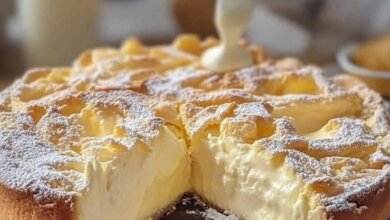
What sets this cheesecake apart is its texture. The base is thick, slightly crumbly, yet perfectly sturdy, while the filling is silky smooth, dense, and velvety—melt-in-your-mouth delicious. Whether you choose to serve it plain or topped with fresh fruit, chocolate, or a caramel drizzle, this cheesecake is sure to impress.
In this detailed recipe, we’ll cover everything you need to know—from ingredients and instructions to history, benefits, and nutrition. This will be a thorough guide to baking a cheesecake that’s as close to perfection as possible.
Ingredients
For the Crust:
- 1 1/2 cups graham cracker crumbs (you can use digestive biscuits or Biscoff cookies for a different flavor)
- 1/4 cup granulated sugar
- 1/2 teaspoon cinnamon (optional, for extra warmth and flavor)
- 1/2 cup unsalted butter (melted)
For the Filling:
- 3 packages (8 oz each) cream cheese (at room temperature, full-fat for the best texture)
- 1 cup granulated sugar
- 1 teaspoon vanilla extract (or seeds from 1 vanilla bean for an upscale flavor)
- 1/4 teaspoon salt
- 3 large eggs (at room temperature)
- 1/2 cup sour cream (adds tanginess and richness)
- 1/4 cup heavy cream (for a silky texture)
- 1 tablespoon all-purpose flour (optional, helps with stability)
- 2 tablespoons lemon juice (optional, brightens the flavor)
For Topping (optional):
- Fresh berries (strawberries, raspberries, or blueberries, for color and freshness)
- Whipped cream (for extra indulgence)
- Caramel sauce (a luxurious drizzle)
- Chocolate ganache (for a chocolatey twist)
Instructions
- Prepare the Crust:
- Preheat your oven to 325°F (163°C).
- In a medium bowl, combine the graham cracker crumbs, granulated sugar, and cinnamon (if using). Stir until well mixed.
- Add the melted butter to the crumb mixture and stir until the crumbs are evenly coated. The mixture should resemble wet sand.
- Press the graham cracker mixture into the bottom of a 9-inch springform pan. Use the back of a spoon or your hands to compact the crumbs into an even layer, pressing them slightly up the sides of the pan for a more elegant presentation.
- Bake the crust in the preheated oven for 8-10 minutes or until it’s golden brown. Remove from the oven and allow it to cool while you prepare the filling.
- Prepare the Filling:
- In a large mixing bowl, use a hand mixer or stand mixer to beat the cream cheese until smooth and creamy. Beat on medium speed for about 2-3 minutes, ensuring there are no lumps.
- Add the sugar and vanilla extract (or vanilla bean seeds) and beat until the mixture is smooth and creamy. Scrape down the sides of the bowl as needed to ensure everything is incorporated evenly.
- Add the eggs one at a time, beating on low speed after each addition. Be careful not to overmix the batter at this point to avoid too much air being incorporated.
- Once the eggs are fully combined, add the sour cream, heavy cream, salt, and lemon juice (if using). Beat until smooth. If you want a firmer cheesecake, add the tablespoon of flour now to help stabilize the filling.
- Pour the filling into the cooled graham cracker crust, spreading it evenly.
- Bake the Cheesecake:
- Place the cheesecake in the preheated oven and bake at 325°F (163°C) for 45-55 minutes. The cheesecake should be set around the edges but still slightly jiggly in the center. Do not overbake, as it will firm up while cooling.
- If the cheesecake starts to brown too quickly, tent it with aluminum foil to prevent the top from getting too dark.
- Once done, turn off the oven and leave the cheesecake inside with the door slightly ajar for 1 hour. This helps prevent cracking by allowing the cheesecake to cool gradually.
- Cool and Chill:
- After an hour in the oven, remove the cheesecake and let it cool completely at room temperature. This could take about 2 hours.
- Once the cheesecake has cooled, cover it with plastic wrap or foil and refrigerate for at least 4 hours, but ideally overnight. This allows the flavors to meld and gives the cheesecake time to firm up.
- Serve:
- Before serving, remove the cheesecake from the springform pan. Transfer it to a serving platter and garnish with fresh berries, whipped cream, or your favorite topping.
- Slice and serve chilled, enjoying every bite of this rich, creamy treat.
Methods and Tips
- Room Temperature Ingredients: One of the key factors in achieving a smooth, lump-free filling is to ensure that your cream cheese, eggs, and other dairy ingredients are at room temperature before mixing. Cold ingredients can cause the filling to seize up and become lumpy, so plan ahead and let them sit out for at least 30 minutes before use.
- Preventing Cracks: Cracking is a common issue when baking cheesecakes. To minimize this risk, don’t overmix the batter, avoid opening the oven door frequently, and use the “water bath” method (placing the cheesecake pan in a larger pan filled with hot water) for an extra-moist environment. However, even if cracks appear, they can be easily covered with a topping.
- Water Bath (Optional): For a super creamy texture and to avoid cracks, you can bake your cheesecake in a water bath. Wrap the bottom of the springform pan with heavy-duty aluminum foil to prevent water from seeping in. Place the pan in a large roasting pan and pour hot water around it until it comes halfway up the sides of the cheesecake pan. This creates a humid environment that helps the cheesecake cook more evenly and prevents the top from drying out.
- Chilling: Letting the cheesecake chill is an important step. The flavors improve with time, and the cheesecake becomes firmer. Ideally, let it chill overnight for the best texture and flavor.
- Flavors and Variations: While this is a classic recipe, there are endless ways to personalize it. You can swirl in fruit preserves like raspberry or strawberry, add chocolate chips to the batter, or infuse the cream cheese with spices like cinnamon or nutmeg for a unique twist.
History of Cheesecake
Cheesecake has a long and rich history, with origins dating back to ancient Greece. The earliest known cheesecake was made by the Greeks in 776 B.C., who served it to athletes during the first Olympic Games. The recipe was simple: cheese, honey, and wheat flour. The Romans later adapted this recipe, and when the Roman Empire spread, so did the concept of cheesecake.
The cheesecake we know today, with a buttery graham cracker crust and creamy filling, evolved over time, particularly in Europe and America. The development of cream cheese in the early 20th century, credited to a dairy farmer named William Lawrence in 1872, revolutionized the cheesecake industry. The rich, creamy consistency of cream cheese quickly became the star ingredient of most cheesecake recipes.
In the United States, New York-style cheesecake became particularly popular. This style of cheesecake is known for its dense, rich texture, which is made using cream cheese, sour cream, and eggs. Many regional variations of cheesecake exist worldwide, with ingredients ranging from fruits to chocolate to exotic spices.
Benefits of Cheesecake
- Rich in Protein: Due to its cream cheese base, cheesecake is a good source of protein, which is essential for muscle building and repair.
- Calcium-Rich: Dairy products like cream cheese and sour cream provide a significant amount of calcium, which is vital for bone health.
- Energy Boosting: While a rich dessert, cheesecake provides a good amount of carbohydrates, which can provide an energy boost. The sugar content, though high, is balanced by the fat and protein in the cream cheese.
- Customizable for Dietary Preferences: You can make healthier variations of this cheesecake by using lower-fat cream cheese, substituting sugar with stevia or honey, or using gluten-free graham crackers for the crust.
Nutrition (Per Serving)
- Calories: 350-450 kcal (depends on portion size and toppings)
- Protein: 5-7g
- Fat: 25-35g (depending on the use of full-fat vs. low-fat cream cheese)
- Carbohydrates: 30-