Introduction
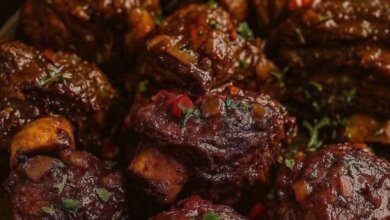
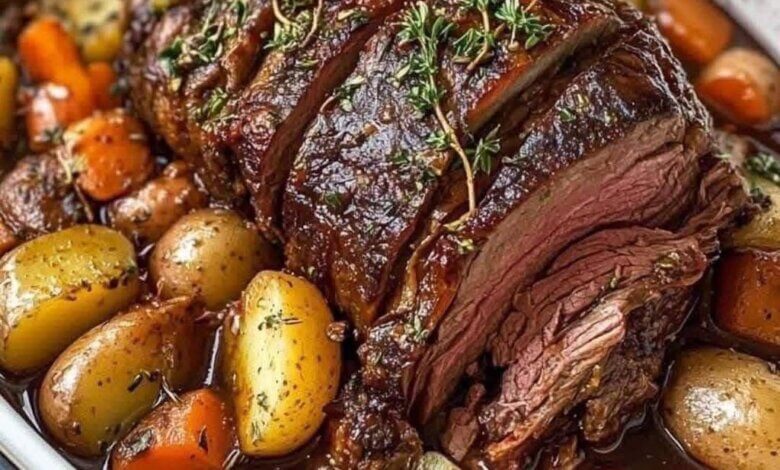
A braised beef roast is the epitome of comfort food, combining rich flavors, tender meat, and a savory broth. This slow-cooking method results in a melt-in-your-mouth texture and depth of flavor that’s perfect for family dinners or special occasions. The braising process involves cooking the beef roast in liquid, such as broth or wine, at low temperatures for an extended period. This not only tenderizes the meat but also allows it to soak up the rich flavors of herbs, vegetables, and seasonings. If you’re looking for a meal that’s hearty, satisfying, and sure to impress, a braised beef roast is an excellent choice.
Ingredients
- 3-4 lbs beef chuck roast (or brisket, round roast)
- 2 tablespoons olive oil
- 1 onion, chopped
- 3 cloves garlic, minced
- 2 carrots, peeled and sliced
- 2 celery stalks, chopped
- 2 cups beef broth (or stock)
- 1 cup red wine (optional, can substitute with more broth)
- 2 tablespoons tomato paste
- 2 sprigs fresh thyme (or 1 teaspoon dried thyme)
- 2 sprigs fresh rosemary (or 1 teaspoon dried rosemary)
- 2 bay leaves
- 1 teaspoon salt
- 1/2 teaspoon black pepper
- 1 tablespoon Worcestershire sauce
- 1 tablespoon balsamic vinegar (optional for a tangy kick)
- 1 tablespoon cornstarch (optional, for thickening sauce)
Instructions
- Preheat the oven: Set your oven to 325°F (165°C) to ensure it reaches a slow, steady temperature for braising.
- Sear the roast: Heat 2 tablespoons of olive oil in a large Dutch oven or oven-safe pot over medium-high heat. Once the oil is hot, season the beef roast with salt and pepper, then sear it on all sides until it’s golden brown, about 3-4 minutes per side. This step adds flavor and helps seal in the juices. Remove the roast from the pot and set it aside.
- Sauté the vegetables: In the same pot, add the chopped onions, garlic, carrots, and celery. Cook over medium heat until softened, about 5 minutes, stirring occasionally. This step helps develop the flavor base for the braising liquid.
- Deglaze the pot: Add the red wine (or additional broth if not using wine) to the pot, scraping up any browned bits from the bottom of the pan. These bits are packed with flavor and will enrich the braising liquid.
- Add the remaining ingredients: Stir in the beef broth, tomato paste, Worcestershire sauce, balsamic vinegar (if using), thyme, rosemary, and bay leaves. Taste and adjust the seasoning with more salt and pepper as needed.
- Return the roast to the pot: Place the beef roast back into the pot, ensuring it’s partially submerged in the liquid. Bring the liquid to a simmer over medium heat.
- Braise the beef: Cover the pot with a lid and transfer it to the preheated oven. Braise the beef roast for 3-4 hours, or until the meat is fork-tender and easily shreds. Check the roast halfway through, and add more broth if necessary to keep the liquid level consistent.
- Optional: Thicken the sauce: Once the beef is cooked, remove the roast from the pot and set it aside. If you’d like to thicken the sauce, mix 1 tablespoon of cornstarch with 1 tablespoon of water and stir it into the braising liquid. Let it simmer for 5-10 minutes until the sauce thickens to your liking.
- Serve: Slice the beef against the grain and serve with the braised vegetables and sauce. You can also serve the beef roast with mashed potatoes, rice, or crusty bread to soak up the flavorful sauce.
Methods of Cooking Braised Beef Roast
- Braising Technique: Braising is a two-step cooking process. The meat is first seared to create a rich, caramelized exterior, and then it is slowly cooked in a liquid at low heat, allowing it to absorb all the flavors. This method works wonderfully with tougher cuts of meat like chuck roast because the long cooking time breaks down the connective tissue, making the meat incredibly tender.
- Searing the Roast: Searing is essential in building depth of flavor. The Maillard reaction (the browning process) that happens during searing adds complexity to the final dish.
- Simmering in Liquid: The liquid used for braising (broth, wine, or a combination) not only helps cook the meat but also contributes to the sauce’s richness. The flavors of the vegetables, herbs, and seasonings infuse the liquid, which later becomes the sauce.
History
Braising dates back to ancient cooking methods, and it has been used for centuries as a way to tenderize tougher cuts of meat. The method originated in Europe and became especially popular in French cuisine, where it is known as braiser. Braised meats became a staple for home cooks due to their ability to transform cheaper, tougher cuts into something succulent and flavorful. Over time, variations of braised dishes spread across the world, with each region adding its own unique ingredients and flavors.
In America, braised beef became a comfort food, often associated with family gatherings or Sunday dinners. The braised beef roast, particularly with wine and herbs, has become a signature dish in many American households.
Benefits
- Protein and Nutrients: Beef is a great source of high-quality protein, which is essential for muscle repair and growth. It also provides important nutrients like iron, zinc, and B vitamins.
- Rich in Flavor: The slow braising process allows the meat to absorb the rich flavors of the liquid and seasonings, creating a savory, deeply satisfying dish.
- Perfect for Tough Cuts: Braising transforms tougher cuts of meat (like chuck roast) into tender, flavorful meals. This method allows you to use budget-friendly cuts without sacrificing quality.
- One-Pot Meal: Braised beef roast is essentially a one-pot meal, making cleanup easy and reducing the number of dishes needed.
Formation
The formation of the braised beef roast begins with building a flavor base from sautéed vegetables and herbs. The beef roast is then seared to lock in juices and create a flavorful crust. Once the roast is combined with the braising liquid, it’s covered and cooked slowly in the oven. This gradual cooking process allows the flavors to meld, and the meat becomes incredibly tender and juicy.
Nutritional Information (per serving, 1/6 of the recipe)
- Calories: 350–400 kcal
- Protein: 40–45g
- Fat: 18–22g (depending on the cut of beef)
- Carbohydrates: 10–15g (mainly from vegetables)
- Fiber: 2–3g (from vegetables)
- Iron: 2–3 mg (beef is a good source)
- Sodium: 600–800mg (can be adjusted by reducing salt in broth)
Conclusion
A braised beef roast is the definition of comfort food—a delicious, hearty dish that combines tender meat, flavorful broth, and savory vegetables. The braising method, slow-cooking at low heat, brings out the best in tougher cuts of meat, transforming them into a melt-in-your-mouth experience. Whether you’re cooking for a special occasion or a family meal, this recipe is sure to impress.
Lovers of the Dish
This braised beef roast is loved by:
- Meat lovers: The rich, tender beef is the star of this dish, and anyone who appreciates a good roast will enjoy it.
- Comfort food fans: If you’re a fan of slow-cooked meals that fill the house with tantalizing aromas, this dish will make you feel right at home.
- Family cooks: Braised beef roast is ideal for feeding a large group, and it’s perfect for those looking for a meal that requires minimal attention while cooking.
- Slow-cooking enthusiasts: Those who love cooking with low and slow methods will enjoy the ease and flavors that braising brings.
A braised beef roast is more than just a meal—it’s an experience that brings people together and fills them with warmth and satisfaction. It’s a dish you can’t help but love!