Fluffy Bread Rolls: A Complete Guide

Introduction
Fluffy bread rolls are a staple in many households and cultures around the world. These soft, pillowy rolls are perfect for breakfast, as a side dish, or even as the base for sandwiches. They are known for their light and airy texture, achieved through proper kneading, proofing, and baking techniques. The aroma of freshly baked bread rolls fills the kitchen with warmth and comfort, making them a favorite for both home bakers and professional chefs.
History of Bread Rolls
Bread rolls have a long history, dating back to ancient Egypt, where early forms of leavened bread were made using wild yeast. In Europe, bread rolls became popular in the Middle Ages, particularly in France, Germany, and England, where they were served in royal courts and bakeries. Over time, different regions developed their own versions, such as brioche in France, kaiser rolls in Austria, and dinner rolls in the United States. Today, bread rolls are enjoyed worldwide, with each culture adding its unique touch.
Benefits of Fluffy Bread Rolls
- Rich in Carbohydrates – Provides energy for daily activities.
- Source of Fiber – Whole wheat variations aid digestion.
- Versatile – Can be paired with sweet or savory toppings.
- Homemade Goodness – Free from preservatives and artificial additives.
- Comfort Food – Brings warmth and nostalgia to meals.
Ingredients for Fluffy Bread Rolls
For the Dough:
- 3 ½ cups (440g) all-purpose flour or bread flour
- 2 ¼ tsp (1 packet) active dry yeast
- 1 cup (240ml) warm milk (110°F or 45°C)
- ¼ cup (50g) granulated sugar
- 1 tsp salt
- 1 large egg
- ¼ cup (60g) unsalted butter, softened
For Brushing:
- 2 tbsp melted butter (for a glossy finish)
Step-by-Step Instructions
Step 1: Activate the Yeast
- In a small bowl, mix warm milk, sugar, and yeast.
- Let it sit for 5-10 minutes until it becomes frothy.
Step 2: Prepare the Dough
- In a large mixing bowl, combine flour and salt.
- Add the yeast mixture, egg, and softened butter.
- Mix until the dough starts to come together.
Step 3: Kneading the Dough
- Transfer the dough to a floured surface and knead for 8-10 minutes until smooth and elastic.
- If using a stand mixer, knead with a dough hook on medium speed for 5-6 minutes.
Step 4: First Proofing
- Place the dough in a greased bowl and cover with a clean cloth.
- Let it rise in a warm place for 1-2 hours or until doubled in size.
Step 5: Shaping the Rolls
- Punch down the risen dough and divide it into 12 equal portions.
- Shape each portion into a smooth ball and place them on a greased baking tray.
Step 6: Second Proofing
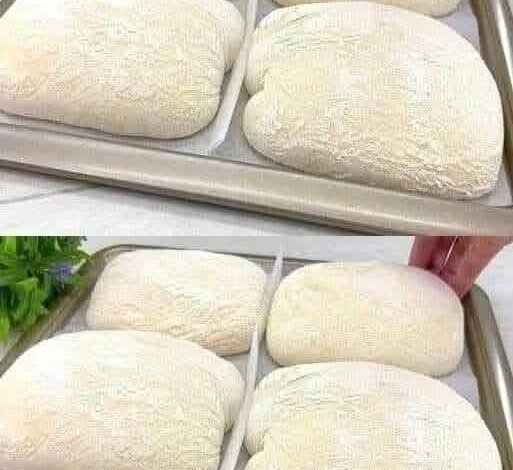
- Cover the tray with a cloth and let the rolls rise for another 30-45 minutes.
- They should become puffy and nearly double in size.
Step 7: Baking the Rolls
- Preheat the oven to 375°F (190°C).
- Brush the tops of the rolls with melted butter.
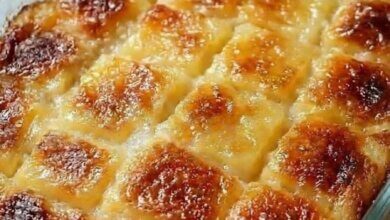
- Bake for 15-18 minutes until golden brown.
Step 8: Final Touch
- Remove from the oven and brush with more melted butter for extra softness.
- Let cool slightly before serving.
Methods of Making Fluffy Bread Rolls
1. Traditional Hand Kneading
- This method allows full control over the dough’s texture and elasticity.
2. Stand Mixer Method
- Using a dough hook attachment speeds up the kneading process.
3. Bread Machine Method
- A bread machine can mix, knead, and proof the dough with minimal effort.
4. No-Knead Method
- Requires longer fermentation time but eliminates heavy kneading.
Who Loves Fluffy Bread Rolls?
- Home Bakers – Enjoy experimenting with new bread recipes.
- Food Lovers – Appreciate the warm, fresh taste of homemade rolls.
- Families – Perfect for breakfast, dinner, and holiday gatherings.
- Cafés and Bakeries – Serve fresh rolls with butter, jam, or savory fillings.
- Health-Conscious Eaters – Prefer homemade rolls without preservatives.
Formation of Fluffy Bread Rolls
- Yeast Activation – Produces carbon dioxide, making the dough rise.
- Gluten Development – Kneading strengthens gluten for a soft texture.
- Proofing Stages – First proofing increases volume, second proofing refines texture.
- Baking Process – High temperature ensures a fluffy interior and golden crust.
Conclusion
Fluffy bread rolls are a timeless classic that brings warmth and joy to any meal. Whether enjoyed with butter, cheese, jam, or as a sandwich base, they are a delightful addition to any table. Making them from scratch ensures the best taste and texture while allowing for customization. With a little patience and the right techniques, anyone can master the art of baking these soft, delicious rolls.
Would you like any variations or additional tips on this recipe?