Homemade Flan Recipe: A Creamy Delight with a Rich History and Nutritional Benefits
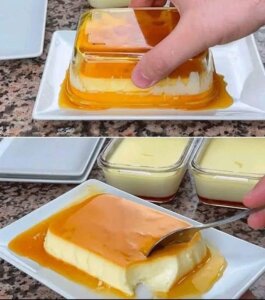
Flan, also known as crème caramel, is a beloved dessert that has transcended borders, with its silky smooth texture and rich caramel flavor captivating the hearts of many. Whether you’ve tasted it in Spain, Mexico, or even parts of the Caribbean, flan has earned its place as a universal favorite. The beauty of flan lies in its simplicity; a perfect harmony between egg, sugar, milk, and a dash of vanilla creates a dessert that is both indulgent and comforting.
In this recipe, I’ll guide you through every step of making a flawless homemade flan. From understanding its rich cultural heritage to the careful preparation, you’ll see how this dessert is more than just a treat; it’s an experience that ties you to a long-standing culinary tradition. So, let’s dive into the world of flan!
Introduction: The History of Flan
Flan has ancient roots that trace back to Roman times when eggs, milk, and honey were blended together in various ways. However, it’s the Spanish influence that truly popularized flan as we know it today. As the Spanish Empire spread throughout Europe, the Americas, and the Philippines, so did this creamy custard dessert. Each region adapted flan according to local tastes, incorporating ingredients such as coconut, caramelized sugar, and vanilla. Today, flan is most often associated with Latin American and Mediterranean cuisines, where it continues to be a staple dessert for special occasions and everyday celebrations.
Flan’s popularity is due not only to its taste but also its versatility. Whether made with whole milk, condensed milk, or even coconut milk, flan adapts to various dietary preferences and tastes. Its rich texture and sweet, subtle flavor make it a dessert that’s perfect for any meal — and it’s especially adored by dessert lovers who appreciate creamy, decadent indulgence.
Ingredients for Homemade Flan
Here’s what you’ll need to create the perfect homemade flan:
For the Caramel:
- 1 cup (200g) granulated sugar
- 3 tbsp water
- 1 tbsp lemon juice (optional, to help prevent crystallization)
For the Flan (Custard Base):
- 1 can (14 oz / 397g) sweetened condensed milk
- 1 can (12 oz / 354ml) evaporated milk
- 3 large eggs
- 1 tbsp vanilla extract
- Pinch of salt
- Optional: 1/4 cup whole milk or cream (for a creamier texture)
Instructions: How to Make Flan
1. Make the Caramel:
- In a medium-sized saucepan, combine the sugar and water. Stir over medium heat until the sugar dissolves and turns into a smooth syrup.
- Once the sugar has dissolved, increase the heat and let it cook without stirring until the syrup turns golden amber. This will take about 8-10 minutes.
- Be sure to keep an eye on the syrup, as it can burn quickly once it begins to darken. If desired, add a tablespoon of lemon juice to prevent the caramel from crystallizing.
- Immediately pour the caramel into the bottom of your flan mold or a round baking dish. Swirl the dish carefully to coat the bottom evenly. Set aside to cool and harden.
2. Prepare the Flan Custard:
- Preheat your oven to 325°F (165°C).
- In a large mixing bowl, whisk together the sweetened condensed milk, evaporated milk, eggs, vanilla extract, and a pinch of salt. If you want a creamier custard, feel free to add the extra whole milk or cream.
- Whisk until all ingredients are thoroughly combined and the mixture is smooth.
3. Combine and Bake:
- Carefully pour the custard mixture over the caramelized sugar in your baking dish. Try to do this slowly so the caramel doesn’t mix with the custard.
- Place the flan dish inside a larger roasting pan. Fill the outer pan with hot water until it reaches halfway up the sides of the flan dish. This creates a water bath, ensuring even cooking and preventing cracks in the flan.
- Bake for 50-60 minutes, or until the flan is set but still slightly jiggly in the center. You can test the flan by inserting a knife into the center; it should come out clean when done.
4. Cool and Unmold:
- Once the flan is done, remove it from the oven and allow it to cool in the water bath for about 30 minutes. Then, transfer it to the fridge and chill for at least 4 hours (or overnight) to allow it to firm up.
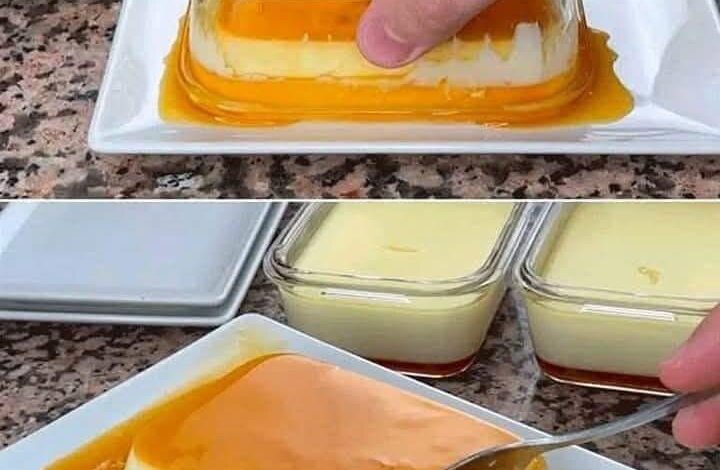
- To unmold, run a knife around the edge of the flan. Place a large plate over the top of the dish and carefully flip it over. The flan should come out easily with the caramel sauce drizzling over the top.
Flan Variations
While the classic flan recipe is delicious on its own, there are several fun variations you can try to elevate the flavor:
- Coconut Flan: Replace part of the evaporated milk with coconut milk and add shredded coconut for extra flavor and texture.
- Coffee Flan: Add a tablespoon of instant coffee granules to the egg mixture for a deep, rich coffee-flavored flan.
- Orange Flan: Add orange zest and a splash of fresh orange juice to the custard for a refreshing citrus twist.
- Chocolate Flan: Melt some chocolate and stir it into the egg mixture before baking for a decadent chocolate version of flan.
Each variation adds its unique twist to the classic recipe, making it suitable for a wide range of palates.
Nutritional Information of Flan
While flan is undeniably rich and indulgent, it also offers several nutritional benefits:
- Rich in Calcium: The dairy content in flan, particularly from milk and eggs, provides a good source of calcium, which is essential for bone health.
- High in Protein: Eggs are a great source of high-quality protein, which supports muscle growth, repair, and overall health.
- Source of Energy: The natural sugars from the sweetened condensed milk and the caramel provide a quick source of energy.
However, it’s important to note that flan is also high in sugar and fat, so it should be enjoyed in moderation, especially for those watching their calorie intake.
Cultural Significance and the Lovers of Flan
Flan has an enduring legacy in the culinary world, particularly among Latin American and Mediterranean cultures. For example, in Mexico, flan is often prepared as a celebratory dish for birthdays, family gatherings, and holidays. Its versatility allows it to pair wonderfully with coffee or be served alongside fresh fruit for a more refreshing experience. In Spain, flan is traditionally enjoyed with a dollop of whipped cream or alongside a shot of rich espresso.
As a dessert that transcends cultures, flan continues to be beloved by people of all ages. Whether you’re a lover of creamy, smooth custards or someone who enjoys desserts with a touch of nostalgia, flan is sure to win over your heart.
Conclusion: Why You’ll Love Homemade Flan
Homemade flan isn’t just about following a recipe; it’s about crafting a dessert that brings joy to everyone who tastes it. The combination of creamy custard and luscious caramel, with the versatility to adapt to many flavor profiles, makes flan a crowd-pleaser for all occasions. Whether you serve it at a family dinner, a special event, or simply as a treat after a long day, flan is sure to delight.
The recipe outlined above will give you a perfect flan every time, and as you continue making it, you’ll discover endless possibilities to personalize the flavor to your liking. So, gather your ingredients, roll up your sleeves, and get ready to fall in love with the sweet, silky magic of homemade flan!