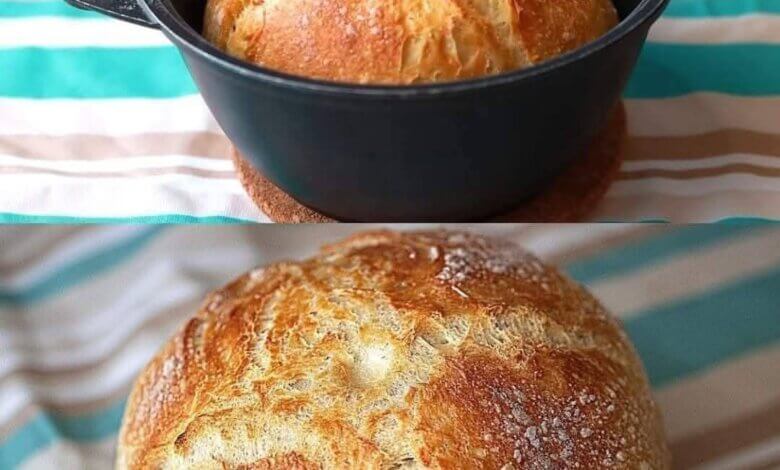
🍞 After This Recipe, You’ll Never Buy Bread Again!
🥖 Introduction
There’s something deeply satisfying about baking your own bread—the aroma, the texture, the flavor, and the pride of making it yourself. This simple, fail-proof recipe will walk you through making a soft, golden, and delicious homemade bread using just a few pantry staples. Perfect for beginners or seasoned home bakers, this loaf is versatile enough for sandwiches, toast, or just warm with butter. Once you try it, you’ll never want to buy store bread again.
🌍 Origin and Cultural Significance
Bread is one of the oldest prepared foods, with roots dating back over 10,000 years. Across cultures and continents—from flatbreads in the Middle East to rustic loaves in Europe—bread has always symbolized sustenance, community, and tradition. This recipe captures the essence of classic European-style white bread, made with simple ingredients but yielding rich flavor and texture. In many households, bread-baking was a weekly ritual that brought families together. Reclaiming this tradition brings warmth, mindfulness, and connection into your kitchen.
🧂 Ingredients & Quantity
- 4 tablespoons (60 ml) olive oil
- 1 tablespoon (10 g) dry yeast
- 1 teaspoon salt
- 1⅓ cups (320 ml) warm water (about 110°F/45°C)
- 4¾ cups (570 g) plain flour (all-purpose flour)
✨ Optional Additions
Customize your bread with the following optional ingredients:
- 1 tablespoon honey or sugar (for a slightly sweeter loaf)
- 1 teaspoon garlic powder or dried herbs (rosemary, thyme, oregano) for flavor
- ¼ cup chopped olives or sun-dried tomatoes for a Mediterranean touch
- Sprinkle of sesame seeds or oats on top for texture and presentation
💡 Tips for Success
- Use warm (not hot) water to activate the yeast without killing it.
- Let the dough rise in a warm, draft-free area—an oven with the light on works well.
- Don’t rush the rise: giving the dough time ensures a light, airy crumb.
- Knead well—this develops gluten and creates structure.
- Use fresh yeast: old or expired yeast may not activate properly.
- Oil your hands before kneading or shaping to prevent sticking.
👩🍳 Instructions
- Activate the yeast:
In a large mixing bowl, combine warm water and yeast. Let sit for 5–10 minutes until foamy. - Mix the dough:
Add olive oil, salt, and flour (one cup at a time). Stir with a wooden spoon or dough hook until a dough forms. - Knead the dough:
Turn the dough onto a floured surface and knead for 8–10 minutes, until smooth and elastic. - First rise:
Place the dough in an oiled bowl, cover with a damp towel or plastic wrap, and let rise in a warm place for 1 hour or until doubled in size. - Shape the loaf:
Punch down the dough and shape it into a loaf. Place in a greased loaf pan or shape it freeform on a baking sheet. - Second rise:
Cover and let rise again for about 30–40 minutes until puffed. - Preheat oven to 375°F (190°C).
- Bake:
Bake for 30–35 minutes, or until golden brown and the loaf sounds hollow when tapped. - Cool:
Remove from pan and let cool on a wire rack for at least 20 minutes before slicing.
📝 Description
This homemade bread has a golden crust and a soft, chewy interior. The subtle richness from the olive oil gives it a luxurious mouthfeel, while the yeast develops just the right amount of tang. It’s perfect warm from the oven with butter, dipped in soup, or toasted for breakfast. Despite its simplicity, the final product feels like a true artisan loaf.
🔍 Nutritional Information (per slice, approx. 1/12 of loaf)
- Calories: ~180
- Carbohydrates: 30g
- Protein: 4g
- Fat: 5g
- Fiber: 1g
- Sugar: <1g
- Sodium: ~150mg
(Values vary based on optional additions.)
✅ Conclusion and Recommendation
With just five core ingredients and a little time, you can create a beautiful loaf of bread that rivals anything from the bakery. It’s more affordable, customizable, and fresh than any store-bought option. Whether you’re new to baking or returning to it, this recipe is a perfect entry point to the rewarding world of homemade bread.
🌿 Embracing Healthful Indulgence
Baking your own bread allows you to take control over ingredients—no preservatives, artificial flavors, or hidden sugars. It’s a return to wholesome, mindful eating. You’re not just making food—you’re crafting nourishment. Each slice becomes a small act of self-care and connection, reminding you that indulgence can also be healthful, grounded in intention and love.