Perfect Fluffy Basmati Rice Recipe
Introduction:
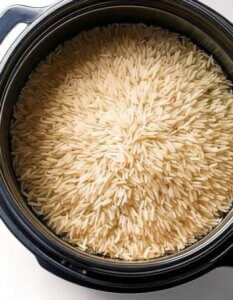
Basmati rice is a long-grain variety of rice, renowned for its distinct aroma and delicate, fluffy texture. Originating from the Indian subcontinent, this rice has been a culinary staple for centuries, valued for its fragrant and light characteristics. Whether served as a side dish or as the base for biryanis, pilafs, or curries, the versatility of basmati rice makes it a favorite worldwide.
Cooking perfect, fluffy basmati rice might seem tricky, but with the right technique, it’s easy to achieve that delicate, non-sticky texture. The key lies in rinsing the rice thoroughly, soaking it, and using the right water-to-rice ratio.
Ingredients:
- 1 cup basmati rice
- 1 ½ cups water (or 1 ¾ cups for softer rice)
- 1 tbsp ghee (optional for flavor)
- Salt (to taste)
- A pinch of cardamom or cinnamon (optional, for added fragrance)
Instructions:
1. Rinse the Rice:
- Pour the basmati rice into a fine-mesh strainer or bowl.
- Rinse it under cold running water until the water runs clear. This removes excess starch, which helps prevent the rice from becoming sticky during cooking.
2. Soak the Rice:
- After rinsing, soak the rice in water for about 30 minutes. Soaking helps the rice grains cook evenly and become tender.
3. Cook the Rice:
- In a large saucepan, add the soaked rice, water, salt, and ghee (optional).
- Bring the water to a boil over medium-high heat. Once boiling, reduce the heat to low, cover the saucepan with a tight-fitting lid, and let it simmer for 12–15 minutes. Avoid stirring during cooking to prevent the grains from breaking.
4. Let It Rest:
- After the rice is cooked, turn off the heat and let the rice sit, covered, for another 5 minutes. This allows the grains to firm up and become fully fluffy.
5. Fluff the Rice:
- Gently fluff the rice with a fork to separate the grains and give it a light, airy texture.
6. Serve:
- Your perfectly fluffy basmati rice is now ready to be served alongside your favorite dish!
Methods:
Stovetop Method:
- This is the classic method to prepare basmati rice. It gives you control over the heat and the cooking process, which is crucial for achieving the perfect texture.
Instant Pot/Pressure Cooker Method:
- For those looking for a quicker option, you can cook basmati rice in an Instant Pot or pressure cooker. The ratio is typically 1 cup of rice to 1 cup of water, and the cook time is just 4-6 minutes on high pressure. Release the pressure naturally for best results.
Rice Cooker Method:
- If you own a rice cooker, you can simply add rinsed rice and water (1:1.5 ratio), and let the rice cooker do the work. Once it switches off, let it sit for a few minutes, then fluff the rice.
History:
Basmati rice has been grown for thousands of years, originating in the Himalayan regions of India and Pakistan. The word “Basmati” comes from the Sanskrit word Vasmati, meaning “fragrant” or “aromatic.” This rice is traditionally used in many South Asian dishes like biryani, pilaf, and simple rice preparations.
Its long, slender grains and distinct aroma make it a favorite in global kitchens, especially in Middle Eastern, South Asian, and Western cuisine. Over the years, its cultivation has expanded to other parts of the world, but its roots remain deeply embedded in the cultures of the Indian subcontinent.
Benefits of Basmati Rice:
- Low Glycemic Index:
- Basmati rice has a lower glycemic index compared to other types of rice, making it a better option for those looking to maintain healthy blood sugar levels.
- Rich in Nutrients:
- Basmati rice is a good source of complex carbohydrates, providing energy. It also contains small amounts of essential vitamins like B vitamins and minerals such as magnesium and phosphorus.
- Gluten-Free:
- Like other types of rice, basmati is naturally gluten-free, making it a suitable option for individuals with gluten intolerance or celiac disease.
- Heart-Healthy:
- The presence of fiber, particularly in whole-grain basmati rice, can help lower cholesterol levels and improve cardiovascular health.
- Improved Digestion:
- The fiber in basmati rice aids in digestion and promotes gut health.
- Aromatic and Flavorful:
- Beyond the health benefits, the unique fragrance and delicate texture of basmati rice elevate the taste of any dish it accompanies.
Nutrition (Per 1 cup of cooked basmati rice):
- Calories: 205 kcal
- Carbohydrates: 45g
- Protein: 4g
- Fat: 0.5g
- Fiber: 0.6g
- Sodium: 1mg
- Potassium: 55mg
- Iron: 0.4mg
Conclusion:
Perfectly cooked basmati rice can elevate any meal, offering both a nutritious and flavorful side dish. Whether you’re preparing a quick family meal or crafting a lavish biryani, understanding the proper cooking methods and ratios will ensure that your basmati rice turns out perfectly fluffy every time. From its rich history to its numerous health benefits, basmati rice has earned its place as a beloved ingredient across the globe. So go ahead, and bring a bowl of aromatic, fluffy basmati rice to your table—you won’t be disappointed!
Lovers of Basmati Rice:
Basmati rice is a favorite among many food lovers and culinary enthusiasts for its fragrance, texture, and versatility. Lovers of Indian cuisine, Middle Eastern food, and even global food lovers swear by the unique qualities of basmati rice. Whether you are a gourmet chef or just someone who enjoys good food, basmati rice never disappoints.